
In a plex, every defect multiplies by the number of units: three water heaters, three electrical panels, three bathrooms to ventilate, plus shared outdoor stairs, balconies and a flat roof. Our inspection is organized to give you a clear picture of the building's condition and the spending to expect over the next five to ten years.
Inspecting every unit, not just the owner's
As far as tenants allow access, the inspector visits each unit: conditions often vary widely, from a renovated unit to one untouched for 30 years. Signs of leaks, ventilation problems, sagging floors and unpermitted electrical changes are documented.
Common and technical areas are then examined: basement, electrical services, meters, water heaters, water entry, drains and the central heating system if any. That's often where the biggest expenses hide.
Flat roof, balconies and stairs: the costly items
Most plexes have a built-up or elastomeric membrane flat roof. The inspector assesses the membrane, roof drains, parapet flashing and signs of a soaked deck. A flat roof at end of life is one of the largest expenses for an income property.
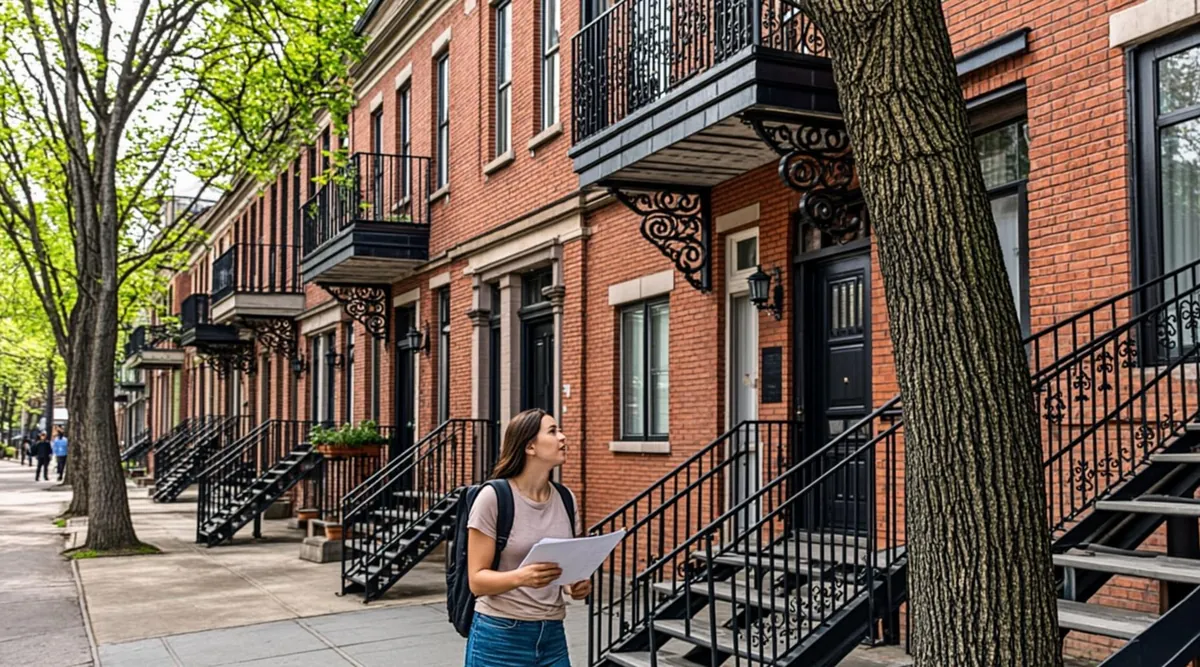
Balconies, outdoor stairs and their structures also need close scrutiny: rotten wood, rusted anchors, non-compliant guards and reversed slopes sending water toward the wall. Beyond cost, these items engage your liability toward tenants.
A financial view of the building
For an investor, the question isn't just whether the building has defects, but how much it will cost to maintain. Our report ranks findings by urgency and estimates the remaining life of major components: roof, windows, heating systems, water heaters and siding.
This lets you factor the work into your return calculation, negotiate the price and talk with your lender. Many buyers also use the report to plan renovations from the day they take possession.
Tenant safety and compliance
The inspector flags items affecting occupant safety: smoke alarms, exits, guards, gas installations, supplementary heat sources, overloaded or altered electrical panels. These findings are priorities because they engage the owner's liability.
They also flag signs of units added or altered without a permit, such as a basement unit without a proper exit. Checking compliance with the municipality before buying can spare you unpleasant surprises.

